What is chenille?
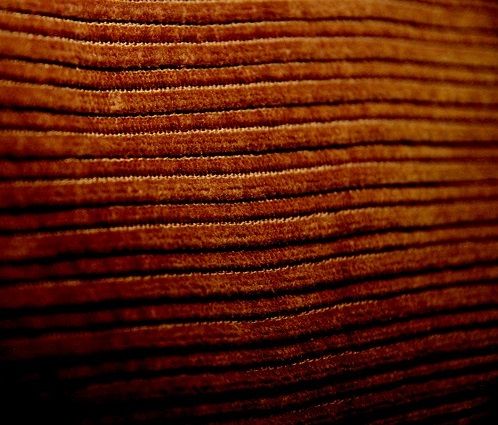
Chenille yarn is a fuzzy cotton yarn that has pile protruding around the weave. This fabric looks exactly like what its name means in French: a caterpillar!1
History of Chenille
Chenille yarn is believed to have originated in France. Alexander Buchanan, a foreman in a Paisley fabric mill, is credited with introducing chenille fabric to Scotland in the 1830s. Here he developed a way to weave fuzzy shawls. Tufts of colored wool were woven together into a blanket that was then cut into strips. They were treated by heating rollers in order to create the frizz. This resulted in a very soft, fuzzy fabric named chenille.
James Templeton and William Quiglay worked to further improve the process while working on rugs. They would later patent their automation process which made automated production of intricate designs easier.2
Making Chenille Yarn
The chenille yarn is manufactured by placing short lengths of yarn, called the “pile”, between two “core yarns” and then twisting the yarn together. The edges of these piles then stand at right angles to the yarn’s core, giving chenille both its softness and its characteristic look. Chenille will look different in one direction compared to another, as the fibers catch the light differently. Chenille can appear iridescent without actually using iridescent fibers. The yarn is commonly manufactured from cotton, but can also be made using acrylic, rayon and olefin.2
The following is a video of chenille yarn being made.
Uses of Chenille Yarn
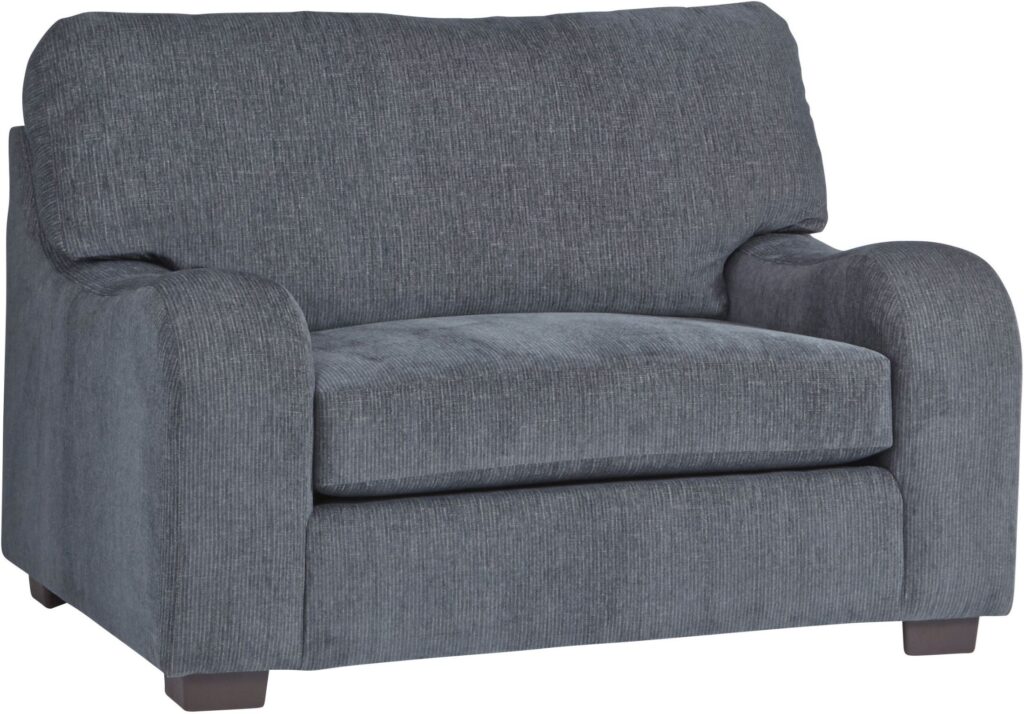
Because of its softness, chenille yarn is often used in blankets, sweaters, bedding, pillows, and upholstery. Chenille fabric has a soft smooth piled texture.

1 https://thefabricofourlives.com/cotton-fabrics/chenille
2 https://en.wikipedia.org/wiki/Chenille_fabric